
Brewery Cold Storage Planning in Colorado Springs, CO
Brewery cold storage is one of the biggest decisions a Colorado Springs brewery, distillery or taproom makes when it builds out a new production space or expands an existing one. Kegs, bright beer, hops, yeast, cans and packaged product all need reliable cold rooms close to where the work happens. However, many breweries start with a used box or a cooler sized for year one and outgrow it fast. This guide walks through how to plan a new build the right way, from site survey to start-up.
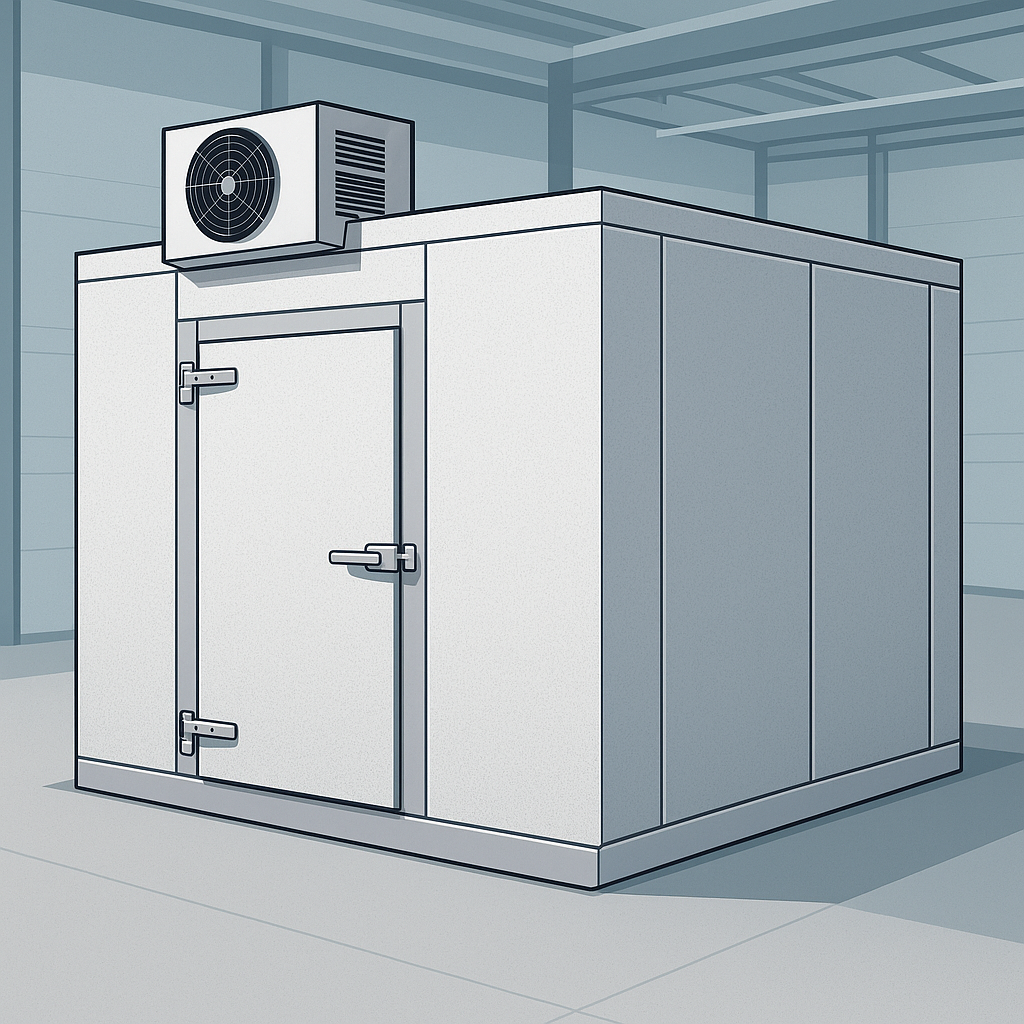
What Colorado Springs breweries need from a cold room
A brewery cooler works differently than a typical kitchen walk-in. Product moves in heavy, frequent loads, and the box often doubles as a draft cooler for the taproom. As a result, the design has to handle more than just square footage.
- Keg storage. Full kegs are heavy, so floors, ramps and door widths must suit hand trucks or pallet jacks.
- Draft lines. If the taproom pours from the cooler, the box location affects line length and draft quality.
- Packaged product. Cans and bottles waiting for distribution need organized shelving or pallet space.
- Ingredients. Hops and yeast often need their own cold shelf or a separate freezer section.
- Growth. New fermenters or a canning line can double cold storage needs within a few years.
Because of these demands, it pays to plan the cooler around how product actually flows, not around the space that happens to be left over.
Planning new brewery cold storage from the ground up
A new walk-in is a construction project, so it helps to follow a clear sequence. Here is how a typical new-build project moves from idea to cold product:
- Site survey. Measure the space, check ceiling height and door routes, and find locations for condensing units on a roof or pad.
- Slab and floor. Keg coolers see heavy rolling loads. Decide early whether the box needs an insulated floor, a reinforced floor or a floorless design on a prepared slab.
- Electrical. Confirm panel capacity, since brewhouse equipment may already use much of it.
- Box assembly. Modular panels are assembled on site, with doors placed for keg traffic and taproom access.
- Refrigeration piping and equipment. Condensing units, evaporators and line sets are installed and connected.
- Start-up and inspection. The system is pulled down to temperature and checked before product goes in.
Building, mechanical and electrical requirements vary by jurisdiction. In addition, brewery and liquor licensing rules may affect where and how product is stored. Confirm current requirements with the City of Colorado Springs or El Paso County and your licensing agencies before construction starts.
Equipment choices: boxes and refrigeration
BBCOND builds new walk-in boxes with Crown Tonka modular insulated panels. These panels come in custom sizes for indoor and outdoor coolers, freezers and combination units. For example, one footprint can hold a large keg cooler in front and a small freezer for hops behind it. We pair each box with Heatcraft refrigeration, including condensing units and evaporators.
The next decision is remote versus self-contained refrigeration:
- Remote systems place the condensing unit on the roof or an outdoor pad. This keeps heat and noise out of the brewhouse and taproom.
- Self-contained or top-mount systems package the refrigeration on the box. They can simplify installation, but they reject heat into the room.
Most production breweries choose remote systems. However, roof access, building ownership and the distance to the box all play a part.

Indoor or outdoor walk-ins at Colorado Springs breweries
Many breweries in older industrial buildings run out of indoor room fast. An outdoor permanent walk-in next to the production floor can free up space for fermenters or a canning line. Also, it can sit right beside a loading dock for distribution pickups.
Outdoor boxes in Colorado Springs face real weather. Plan for:
- A level concrete pad with proper drainage
- A roof designed for local snow load
- Durable exterior finishes that stand up to hail and wind
- Refrigeration selected for wide temperature swings and high altitude
For a deeper look at cooler layouts, see our guide to keg coolers for Denver breweries and taprooms.
Energy features and refrigerant changes
Brewery coolers run around the clock, so efficiency features pay off every day. On a new box, consider LED lighting, quality door gaskets, strip curtains on busy doors, EC fan motors and electronic controls with temperature monitoring and alarms.
Refrigerant rules are also changing. The EPA explains how HFC limits apply to refrigeration on its Technology Transitions page. As a result, new brewery cold storage should be specified with equipment and refrigerants that meet current requirements, so you are not planning around an outdated system. Confirm the rules that apply to your project before ordering equipment.
Why a new-build specialist fits brewery projects
Many Colorado refrigeration companies focus on repair calls. BBCOND is different. Since 2015, we have focused on designing, supplying and installing new walk-in coolers and freezers, outdoor permanent walk-ins and large refrigeration infrastructure replacements for supermarkets and big-box retail. We do not offer repair or service work.
That focus matters for brewery cold storage. One team handles the layout, box design, refrigeration selection, installation and start-up, with a clear scope and schedule. Learn more about our commercial refrigeration services in Colorado. After installation, the owner or their chosen service provider handles routine care such as coil cleaning and gasket checks.
Frequently asked questions
Should we replace our used walk-in or build a new one?
If the old box has damaged panels, a worn floor, failing doors or aging refrigeration, a new box sized for your growth is usually the more predictable choice. A site visit helps compare both paths.
Can the cooler also serve as our draft cooler?
Yes. Many breweries pour directly from the walk-in. Placing the box close to the bar keeps draft lines shorter, so plan the taproom and cooler layout together.
Do we need a freezer section?
Not always. However, breweries that buy hops in bulk or run a kitchen often add a small freezer as part of a combination unit.
How long does a new walk-in project take?
Timing depends on design, permits, equipment lead times and site work. Starting early helps, especially if you are opening a new taproom on a set date.
Plan your new brewery cooler
Ready to plan new brewery cold storage in Colorado Springs or anywhere on the Front Range? Call 303-219-1000, email sales@bbcond.com, or request a free on-site consultation and estimate.