
Aspen Hotel Walk-In Coolers: Planning a New Build
Aspen hotel walk-in coolers work harder than almost any cold storage in Colorado. Peak ski weeks and summer festival season bring full houses, busy banquet kitchens and constant deliveries. Meanwhile, the windows to build or replace equipment are short. As a result, a new walk-in project in Aspen needs a clear plan long before the first panel arrives.
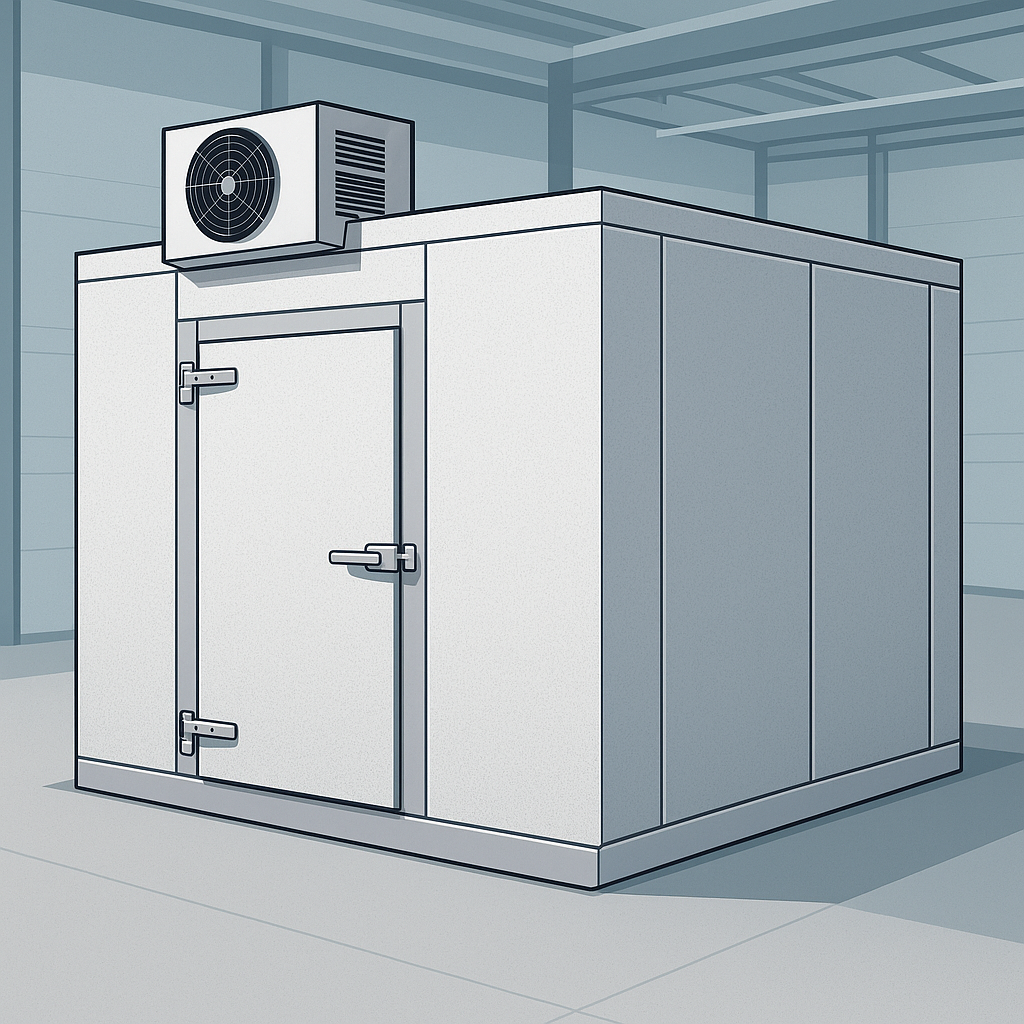
This guide walks hotel owners, food and beverage directors and engineering teams through the main decisions. It covers sizing, site and altitude factors, scheduling around the seasons and what to ask a new-build contractor.
Why Aspen hotel walk-in coolers need a custom plan
A resort hotel rarely has one simple kitchen. Instead, it may run a fine-dining room, a lobby bar, room service, banquets, pool service and a ski-in lounge. Each outlet pulls product from cold storage at different times. Therefore, the walk-in layout should match how food and beverage actually moves through the building.
- Separate zones. Produce, dairy, proteins, beverage and banquet holding often work better in separate boxes or a divided combination unit.
- Freezer capacity. Remote locations favor larger freezer space, because deliveries can be delayed by weather.
- Banquet staging. Event-heavy hotels benefit from a dedicated cooler near the banquet kitchen for plated or pre-set items.
- Beverage and bar storage. A separate cold room for kegs, wine and mixers keeps bar staff out of the main kitchen box.
- Door and aisle planning. Wide doors, clear aisles and smart shelving speed up receiving on busy mornings.
Crown Tonka modular insulated panels make custom sizes possible, including odd footprints that fit around columns, stairwells and service corridors. For example, an L-shaped box can use space that a standard rectangle would waste.
Altitude, snow and site conditions in the Roaring Fork Valley
Aspen sits at about 8,000 feet. That affects air density, condenser airflow and how refrigeration equipment is selected. Also, outdoor equipment must handle deep cold, heavy snow and fast spring melt. These factors should shape the design from day one.
- Condensing unit placement. Keep units clear of roof drifts, snow sliding off pitched roofs and plowed snow piles.
- Winter operation. Outdoor units may need head pressure controls and other cold-weather features recommended by the manufacturer.
- Outdoor walk-ins. When indoor space is tight, an outdoor permanent walk-in needs a level pad, a roof rated for local snow loads and weather-tight seals.
- Access and staging. Downtown and slopeside sites often have little room for trucks, cranes or material storage.
Local building requirements and snow load rules vary, so confirm current requirements with Pitkin County or the City of Aspen before final design.
Remote vs self-contained systems for resort kitchens
Heatcraft refrigeration systems come in remote and self-contained or top-mount styles. Each fits a different hotel situation.
- Remote systems move the condensing unit to a roof, mechanical yard or outdoor pad. That keeps heat and noise out of the kitchen, which matters in tight back-of-house spaces.
- Self-contained or top-mount systems can be simpler for smaller boxes, such as a bar cooler, when there is enough room and ventilation around the unit.
For a deeper comparison, see our post on remote and self-contained walk-ins for Colorado Springs hotels.

Scheduling around Aspen shoulder seasons
Most hotels want walk-in work finished during spring or fall shoulder season, when occupancy drops. However, those windows are short, and equipment lead times can be long. Because of that, planning should start several months ahead.
- Site survey. Measure the space, check floors, drains, electrical capacity and refrigeration piping routes.
- Design and selection. Size boxes and match condensing units and evaporators to each load.
- Ordering. Lock in panels and refrigeration equipment early to protect the shoulder-season window.
- Installation. Set floors or slab insulation, erect panels, run piping and wire controls.
- Start-up and inspection. Pull boxes down to temperature, verify controls and complete local inspections before stocking.
Refrigerant rules also affect new equipment choices. The EPA explains current limits by equipment type on its Technology Transitions HFC restrictions by sector page. Rules can change, so confirm what applies to your project before ordering.
Energy-saving features worth adding
Energy costs and sustainability goals matter to many resort properties. A new build is the easiest time to add efficient features.
- LED lighting inside the boxes, which adds less heat
- Quality door gaskets, self-closing doors and strip curtains
- EC fan motors on evaporators
- Electronic controls with temperature monitoring and alarms
- Right-sized equipment instead of oversized units that short-cycle
Why BBCOND focuses on new builds, not repairs
Many Colorado refrigeration companies center their business on repair calls. BBCOND takes a different approach. Since 2015, we have focused on designing, supplying and installing new walk-in coolers and freezers and replacing aging refrigeration infrastructure. We do not offer repair or service work.
That focus fits Aspen hotel walk-in coolers well, because these projects are planned construction, not emergency fixes. One team handles survey, layout, equipment, installation and start-up. Learn more about our commercial refrigeration services in Colorado. You can also read how we approach replacing old walk-ins at Steamboat Springs hotels.
After start-up, the hotel engineering team or its chosen service provider handles routine care, such as coil cleaning, gasket checks and alarm testing.
Frequently asked questions
Should we replace an old walk-in or keep it?
If the panels are damaged, the floor is failing or the box no longer fits your menu and event volume, a new box is usually the better long-term choice. A site survey helps you compare options clearly.
Can a walk-in be installed outdoors in Aspen?
Yes. Outdoor permanent walk-ins are common when indoor space is limited. They need a proper pad, a roof designed for local snow loads and careful condensing unit placement.
How far ahead should a hotel start planning?
Start several months before your target shoulder season. That leaves time for design, permits and equipment lead times, which vary by product and season.
Do you work outside Aspen?
Yes. BBCOND works across Colorado, including the Denver metro, the Front Range and mountain resort towns such as Vail, Breckenridge, Steamboat and Telluride.
Plan your new hotel walk-in
If you are planning new Aspen hotel walk-in coolers or freezers, BBCOND can help you get the layout, equipment and schedule right. Call 303-219-1000, email sales@bbcond.com, or request a free on-site consultation and estimate.