
VRF Installation in Denver
BBCOND handles VRF installation in Denver for offices, mixed-use buildings, multifamily projects and schools, including Daikin VRV systems, with design coordination, refrigerant piping, controls and start-up by our own crews.
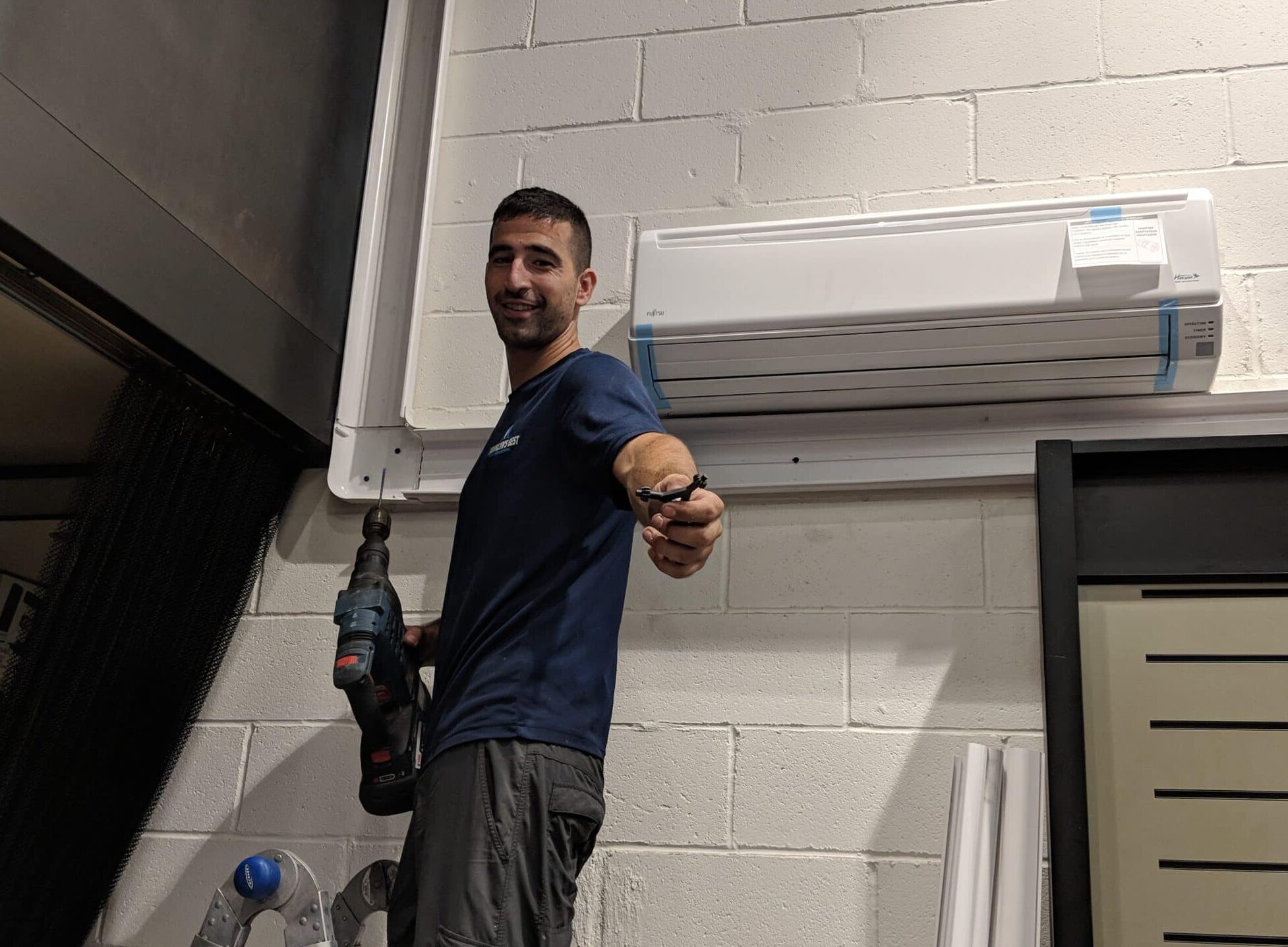
What VRF installation in Denver involves
Variable refrigerant flow (VRF) systems heat and cool many zones from one outdoor unit, using refrigerant piping instead of large ducts. Each indoor unit runs on its own, so tenants and rooms get their own temperature, and the system only runs as hard as the load requires.
A good VRF installation in Denver depends on careful refrigerant piping, branch selectors placed for service access, clean brazing and pressure testing, and controls set up for the way the building is used. BBCOND has handled large-scale HVAC installation since 2015, and our own crews do the work, with no subcontractors.
Call 303-219-1000, email sales@bbcond.com or request a quote.
Where VRF systems make sense
- Offices and tenant finish: individual zone control for suites, conference rooms and open offices
- Multifamily and mixed-use: compact outdoor equipment and small refrigerant lines instead of large duct runs
- Schools, clinics and churches: spaces that are used on very different schedules
- Older buildings and renovations: where there is little room for new ductwork
- Heat recovery projects: buildings that need heating in some zones and cooling in others at the same time
See our Daikin ductless and VRV page for equipment options, and our commercial HVAC contractor page for the rest of our commercial work.
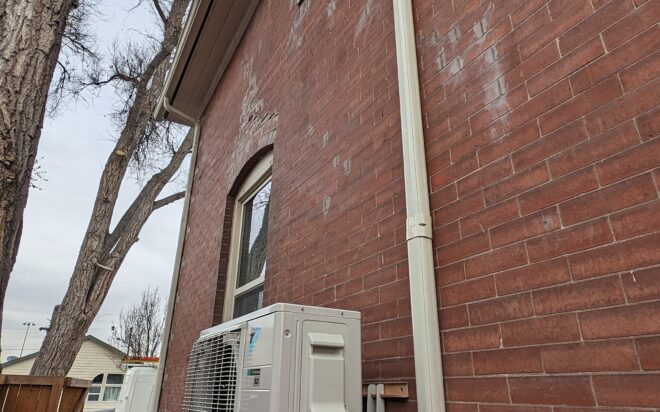
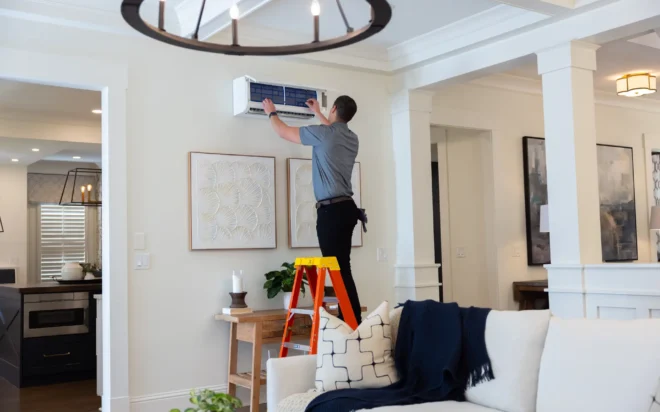
Our VRF installation process
- Design review: we work from your engineer’s drawings or help size and lay out the system for design-assist projects.
- Permits: we pull mechanical permits and schedule inspections with the city or county.
- Rough-in: refrigerant piping, branch selectors, condensate and control wiring, coordinated with the other trades.
- Testing: pressure testing and evacuation before the system is charged.
- Start-up and controls: commissioning, zone programming and owner training at turnover.
Refrigerant changes and new VRF equipment
HVAC equipment is moving to lower-GWP refrigerants under the EPA Technology Transitions program, which limits the use of HFCs in air conditioning and heat pump equipment. We help you choose VRF equipment and refrigerant options that fit your project timeline and current rules, and we confirm requirements before you order.
For new buildings, see new construction HVAC installation in Denver.
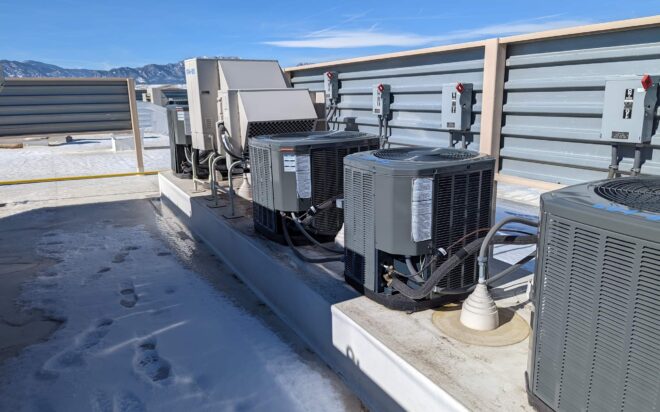
Frequently asked questions
-
What is a VRF system?
A variable refrigerant flow system connects one or more outdoor units to many indoor units through refrigerant piping, so each zone can be heated or cooled on its own.
-
Is VRF a good fit for cold Denver winters?
Many VRF lines include models built for cold-climate heating. We check the heating capacity at local winter design temperatures before recommending a system.
-
Do you install Daikin VRV?
Yes. We install Daikin VRV systems and can work with other VRF equipment when your engineer specifies it.
-
Can VRF be added to an existing building?
Often, yes. Because VRF uses small refrigerant lines instead of large ducts, it is a common choice for renovations and older buildings.